Evidence-based physiotherapy and exercise physiology for people living with pain that hasn't responded to rest, medication, or previous treatment. Three clinics across Melbourne. Longer consults. A different approach.
Here's something most people don't hear: a lot of what gets labelled as an "injury" is actually persistent pain, and understanding that changes everything.
You might have been told you have a bulging disc, degenerative changes, or wear and tear. You might have had scans showing "something" and assumed that's the problem. But research consistently shows that many of these findings are normal, even in people with zero pain.
If any of that sounds familiar, there may be more going on than what you've been told. And that's good news, because it means there's a clear, evidence-based path forward.
Maybe you've had scans that showed "nothing wrong." Maybe you've been told to rest, but resting made it worse. Maybe you've seen multiple practitioners and tried every treatment going, but the pain hasn't shifted.
If that sounds familiar, you're not alone, and there's nothing wrong with you. Persistent pain is one of the most common and most misunderstood health conditions in Australia. It affects 1 in 5 adults, and most people don't get the kind of support that actually helps.
That's where we come in. Our team works with people in exactly this situation, every single day. We don't promise quick fixes. We give you an honest assessment, a clear explanation of what's happening, and a plan that helps you get back to the life you want.

Pain is your body's alarm system. When you're injured, pain tells you to protect the area while it heals. That's useful.
But sometimes the alarm keeps going long after the tissue has healed. This is persistent (or chronic) pain: pain that lasts beyond the normal healing time, usually longer than three months.
Here's what the research tells us: persistent pain is more about how sensitive your nervous system has become than about ongoing tissue damage. Your brain and nervous system have learned to be protective, even when there's no new threat. That's why scans often look normal, and why rest alone doesn't help.
This doesn't mean the pain isn't real. It is absolutely real. It just means the solution isn't more scans, more rest, or more medication. It's about retraining how your body responds to movement and activity, gradually, safely, and with support.
Our team uses a biopsychosocial approach. That means we look at the full picture, not just the sore bit.
How your body moves and responds
Graded exercise and movement-based rehabilitation to rebuild confidence in your body. Both physiotherapists and exercise physiologists under one roof, so your care moves seamlessly from assessment to long-term rehab.
What you think and feel about your pain
Contemporary pain science is core to how we all practise at The Biomechanics. Every clinician here is trained in pain science, and we deliberately recruit clinicians who share our pain-informed philosophy. Our team culture is shaped by our director Luke Postlethwaite's work as a NOI faculty lecturer, pain science lecturer at Victoria University, anatomy lecturer at Deakin University, and lead educator for The Knowledge Exchange. The approach you read about on this page is the approach you will experience with any of our clinicians, at any of our clinics.
How pain affects your daily world
Sleep, stress, work, relationships, and activity levels all play a role. We factor all of this into your plan, because a plan that ignores your life won't work in your life.
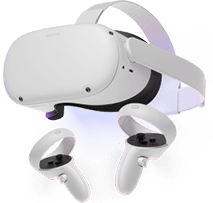
We also use virtual reality (VR Health) as part of our pain management toolkit, one of the few clinics in Melbourne to offer this. VR-based graded exposure is supported by emerging evidence and gives us another way to help when traditional approaches have stalled.

This isn't open-ended treatment. It's a structured, staged approach designed to get you moving forward.
Sessions 1-2
We take the time to hear your full story. Thorough assessment, clear explanation of what we think is happening, and collaborative goal setting.
Sessions 3-8
Graded exercise, pain education, and movement confidence. This is where most people start noticing change, not just in pain, but in what they're able to do.
Sessions 8+
Building resilience, independence, and long-term strategies. The goal is to give you the tools to manage flare-ups on your own.
Ongoing, optional
Transition into our ongoing exercise sessions or Clinical S&C group, or check in quarterly. Your call.
You don't need a diagnosis or a referral. If you're unsure whether we can help, call us on 1300 920 520 and we'll give you an honest answer.
Not usually. In most cases, the original tissue has healed. The pain persists because the nervous system has become more sensitive, not because there's ongoing damage. This is backed by decades of pain research.
Not necessarily. Research shows that disc bulges, arthritis, and degenerative changes are extremely common in people with no pain at all. They're often a normal part of ageing, like grey hair. Our assessment looks beyond the scan to understand what's actually driving your pain.
It's common to worry about this. When done correctly, graded exercise is one of the most effective treatments for persistent pain. We start gently and progress based on how you respond, not on a fixed timeline.
Yes. Exercise, pain education, and behavioural strategies are all supported by strong evidence. Many people reduce their reliance on medication over time, with guidance from their GP.
It's a framework that looks at the biological, psychological, and social factors that all contribute to your pain experience. Rather than treating just the body, we consider the full picture, including stress, sleep, beliefs about pain, and how pain affects your daily life.
It depends. Physiotherapists are well suited for initial assessment, hands-on treatment, and early-stage rehab. Exercise physiologists focus on longer-term exercise-based rehabilitation. We have both under one roof, so we'll match you with the right clinician.
No. You can book directly. If you have a GP referral or chronic disease management plan (EPC/Team Care Arrangement), you may be eligible for Medicare rebates.
Visit our services page for current pricing. We accept private health insurance, Medicare (with GP referral), TAC, WorkCover, NDIS, and DVA.
We use VR Health technology as part of our toolkit. VR-based graded exposure allows you to practice movements in a safe, controlled virtual environment, which can help reduce fear of movement and retrain your nervous system's response to activity.
.jpeg)
179 reviews on Google
Level 2, 109-111 Nicholson St, Footscray VIC 3011
View clinic details.jpg)
51 reviews on Google
4/1463 Malvern Rd, Glen Iris VIC 3146
View clinic details
47 reviews on Google
Suite 9, 11 Beach St, Port Melbourne VIC 3207
View clinic detailsAll clinics: 1300 920 520 | Rated 4.9+ across 277 Google reviews
Ready to take the next step? Book your initial consultation online, or call us on 1300 920 520. Your first appointment is where we figure it out together.


